According to Chinese medicine, physical issues are often rooted in emotional disturbance—and emotional distress can also emerge from physical imbalance. Body, mind and spirit are not separate systems, but a spectrum of energy moving from dense to light.
What did “possession” mean?
“Possession by ghosts” is an ancient Chinese medical concept. It described experiences in which shock, grief, fear or another profound disturbance affected the Shen—the spirit or organizing consciousness—so deeply that a person’s emotions, behavior and physical health changed.
The language of possession may not resonate in a modern clinical setting, and it should not be confused with a contemporary diagnosis. Still, it carries useful information: overwhelming experiences can make us feel unlike ourselves, disconnected from our bodies or governed by patterns we cannot simply think our way out of.
Conditions now described as post-traumatic stress, depression, addiction, mania, nightmares and certain psychiatric or neurological disorders may fall into the category of what ancient texts considered 'possession', or at least Shen (spirit) disturbance.
Sun Si-Miao’s thirteen points
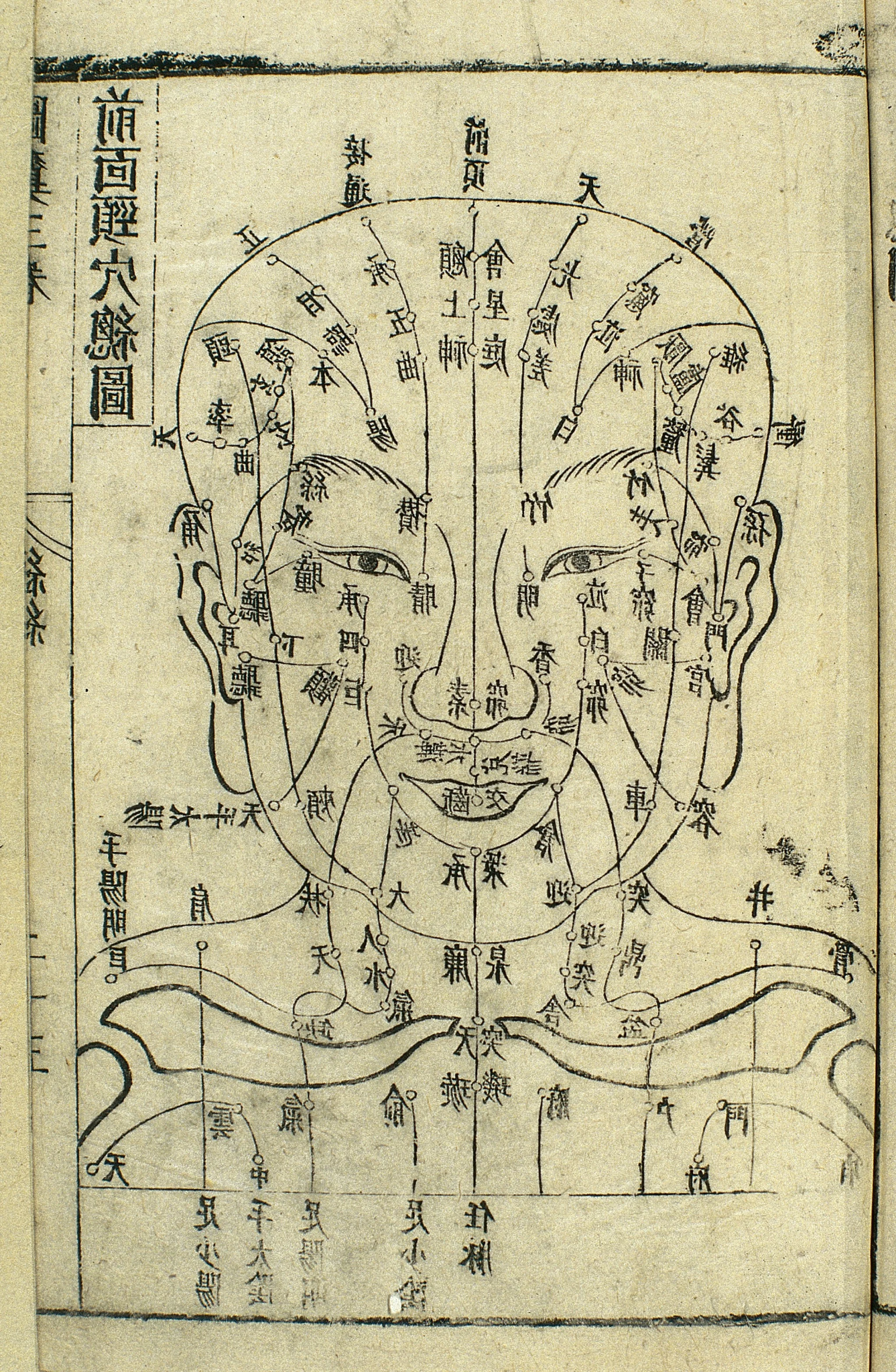
Nearly 1,500 years ago, the renowned physician Sun Si-Miao recorded a set of thirteen “Ghost Points” in the Essential Prescriptions Worth a Thousand Gold Pieces. The points were associated with extreme disturbances of consciousness, emotion and behavior. They remain part of acupuncture history and are still explored by some practitioners today.
The short descriptions below reflect one contemporary, trauma-informed way of interpreting these points. They are not fixed definitions from the original text, and a practitioner would not select them from a checklist or use all thirteen automatically.
Du 26 · Ghost Palace
Shock and patterns of trauma, including experiences understood through an intergenerational lens.
Lung 11 · Ghost Faith
Anger, betrayal or grief connected with a broken promise, vow, contract or relationship.
Spleen 1 · Ghost Fortress
Body-image distress, disordered eating patterns and difficulty feeling safely at home in the body.
Pericardium 7 · Ghost Heart
Heartbreak—especially after a relationship ends—intense emotional expression and attachment to material security.
Bladder 62 · Ghost Path
The enduring effects of trauma, including sexual trauma experienced in childhood.
Du 16 · Ghost Pillow
Resistance to change, feeling stuck and difficulty moving beyond an established pattern.
Stomach 6 · Ghost Bed
Jaw tension and bracing associated with trauma. Metaphorically, we may be ‘chewing’ on something we cannot quite swallow.
Ren 24 · Ghost Market
Being consumed by dark or ruminative thoughts, with difficulty accessing laughter, joy or expression.
Pericardium 8 · Ghost Cave
Anxiety, paranoia and the feeling that one has become disconnected from oneself.
Du 23 · Ghost Hall
What Chinese medicine calls phlegm misting the mind—confusion, clouded awareness and cognitive decline.
Ren 1 · Ghost Store
Shame or anxiety involving the body and sexuality, sometimes accompanied by urinary, reproductive or sexual symptoms.
Large Intestine 11 · Ghost Leg
Patterns of anger and control considered alongside inflammation, heat or digestive symptoms.
Gui Feng · Ghost Seal
Historically associated with severe disturbance of the Shen. Some lineages understand it as helping restore clarity, presence or insight.
Listening across the spectrum
What I find most compelling about the Ghost Points is not the supernatural language itself, but the recognition beneath it: emotional pain can live in the muscles, breath, digestion, sleep, sexuality and nervous system. Physical illness can also change mood, perception and our felt sense of self.
Chinese medicine gives us a language for listening across that spectrum.
Important care note
In cases of suicidal thoughts, psychosis, mania, sudden confusion or neurological decline, please seek help from qualified medical or mental-health professionals. In these cases, Acupuncture can offer complementary support, but is not a replacement for urgent or specialized care. Take care of your life: you are precious.
Whole-person care
Your symptoms may be telling a larger story.
Dr. Jazzy integrates acupuncture, Chinese medicine, gentle chiropractic and energetic pattern work in San Ramon.
Further reading: research and historical discussions identify Sun Si-Miao’s thirteen Ghost Points as a traditional point set associated with mental and neurological disorders. Modern evidence remains limited and does not validate each symbolic interpretation listed above.
Acupuncture and the thirteen ghost acupoints in depression research · Historical analysis of thirteen Ghost Point traditions